

Description
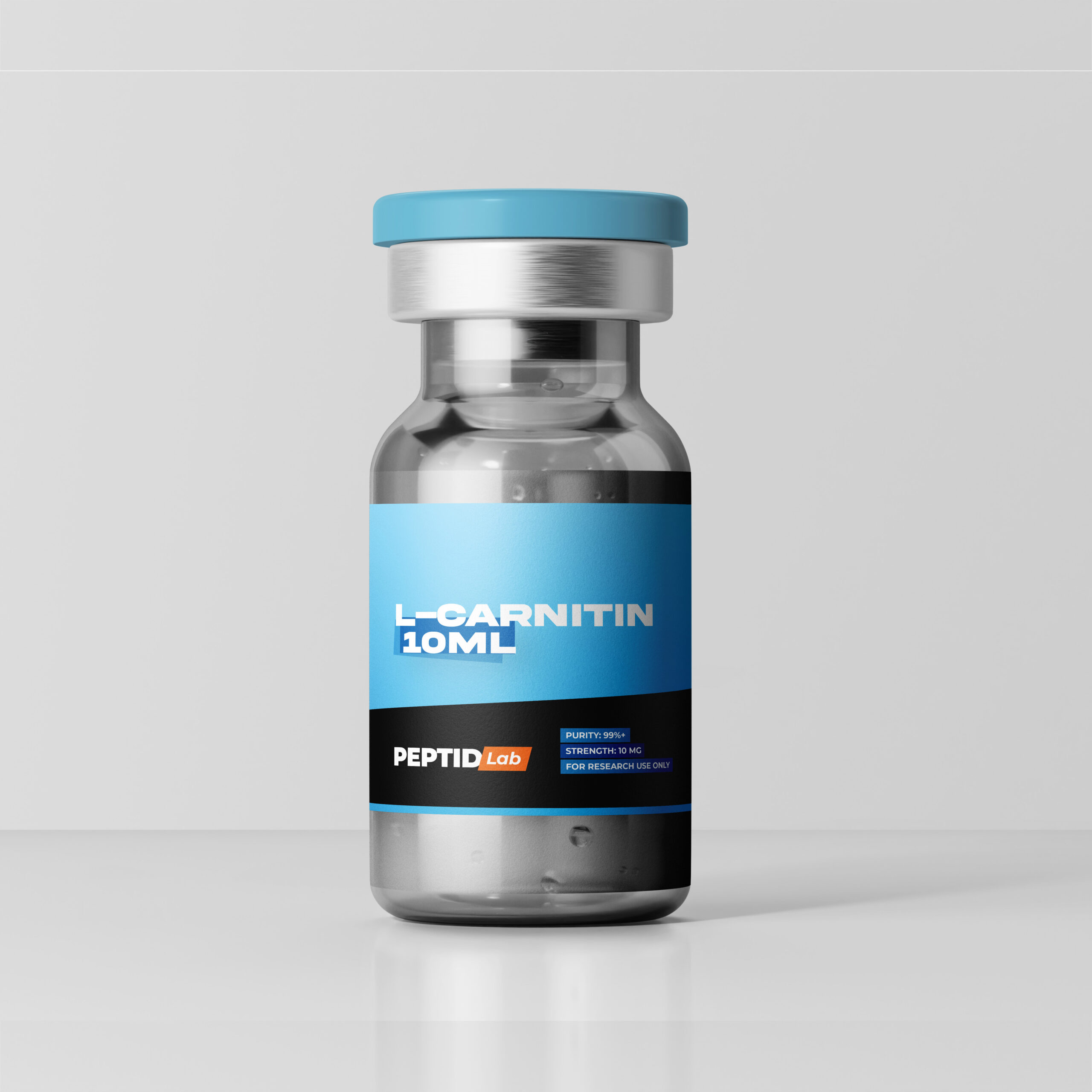
L-Carnitine is a naturally occurring compound that plays a key role in cellular energy metabolism. In laboratory settings, it is used to study fatty acid transport mechanisms, mitochondrial energy balance, oxidative processes and metabolic reactions related to cellular energy. Researchers use L-Carnitine in experimental models focusing on biochemical pathways, adaptation to physical stress and responses to changes in the energy cycle.
Each batch is tested using COA and HPLC, guaranteeing high quality, identity and stability. The product is suitable for professional laboratories and research centres.
Research interest and scientific focus:
In scientific research, L-Carnitine is studied primarily in the following areas:
– metabolic processes and mitochondrial energetics,
– fatty acid transport,
– oxidation and reduction reactions,
– research into physical exertion,
– models of cellular adaptation,
– biochemical pathways related to the energy cycle.
These experimental findings are not intended for human use.
How L-Carnitine is discussed in the community:
In the biochemistry and sports research community, L-Carnitine is known for its role in the body’s energy processes. Discussions associate it with vitality, performance, metabolic balance, fatty acid transport and overall cellular energy. It is considered one of the most frequently studied substances in metabolic research.