

Description
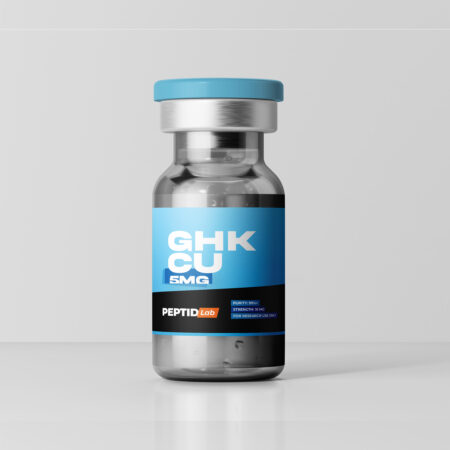
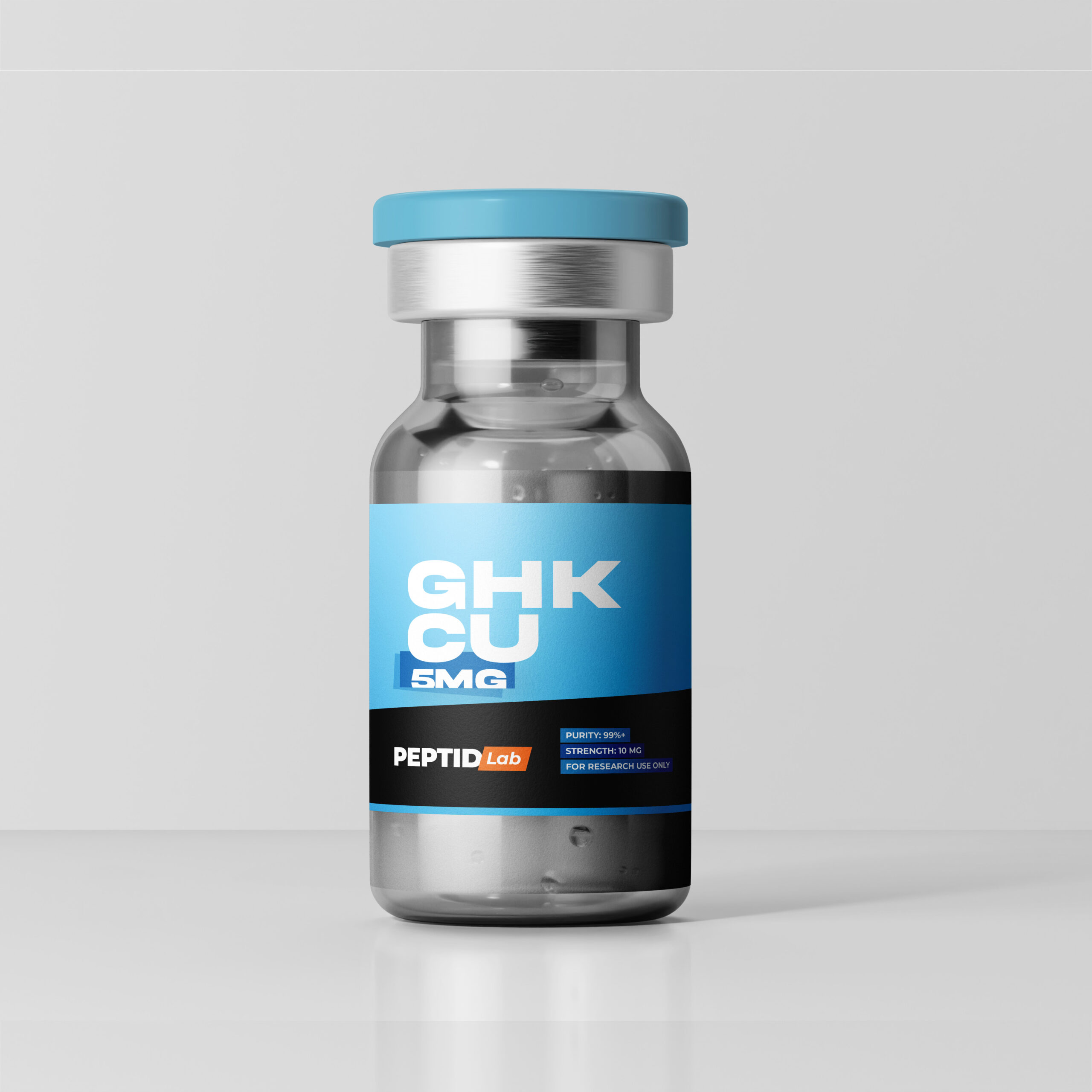
GHK-Cu (copper-bound glycyl-L-histidyl-L-lysine) is among the most extensively studied peptides in biochemical and tissue research. It is known for its ability to bind copper and stabilise processes investigated in scientific studies of tissue regeneration, cell signalling and skin models. In laboratory settings, it is used to study various biochemical mechanisms associated with cellular adaptation, tissue remodelling and peptide interactions with copper ions.
Our GHK-Cu is characterised by laboratory purity of 99 %+ and professional processing. Each batch undergoes rigorous quality control, including HPLC analysis, which confirms the product’s structure, purity and stability.
Research interest and scientific focus:
In the scientific literature, GHK-Cu is associated with research into cellular processes relating to regeneration, healing and anti-ageing mechanisms in experimental models. Studies focus primarily on:
– extracellular matrix remodelling processes,
– interactions between copper and peptides,
– tissue stress research,
– models of skin renewal,
– the study of cellular adaptation responses under laboratory conditions.
Many studies also examine GHK-Cu in cell cultures in the context of biochemical changes, repair processes and tissue regeneration. However, these are experimental data that are not intended for human use.
How GHK-Cu is discussed in the community:
In discussions among both professionals and biochemistry enthusiasts, GHK-Cu is associated with topics relating to skin research, regeneration, anti-ageing processes and physiological adaptation. It is often described as a peptide of interest in the study of skin models, elasticity, cell renewal and general tissue vitality. Communities regard it as a peptide with a rich history of scientific testing and significant research potential.