BPC-157 – a complete guide: mechanism, research and frequently asked questions
Meta Description:
What is BPC-157? Read an overview of its mechanism of action, research findings, safety information and answers to frequently asked questions.
What is BPC-157?
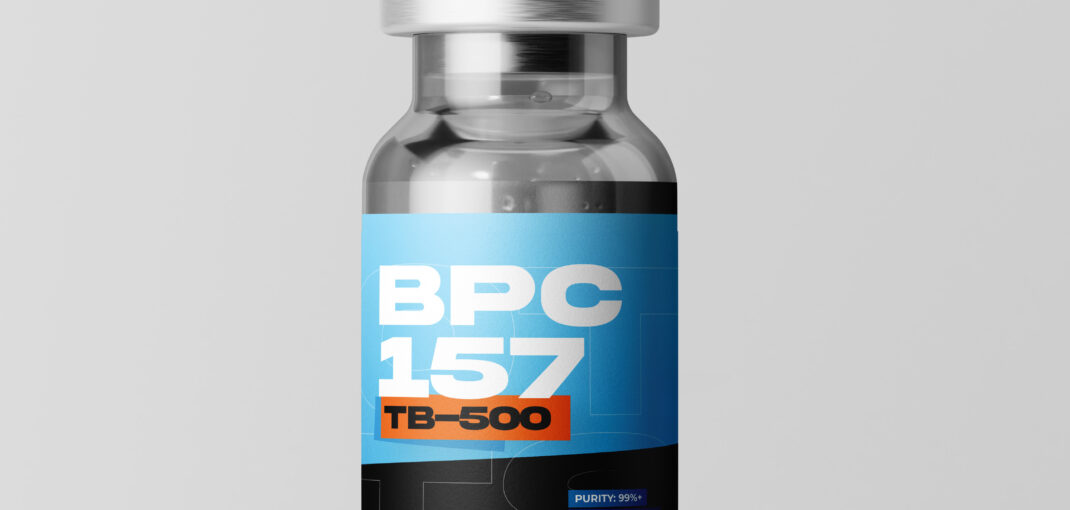
BPC-157 (Body Protection Compound-157) is a synthetic peptide derived from a protein found in gastric juice. In the scientific literature, it is studied primarily for its potential effects on tissue repair, angiogenesis and the regulation of inflammatory mechanisms.
Most available data comes from laboratory and animal research. Its use in humans has not yet been sufficiently studied, and BPC-157 is not approved as a medicine for routine clinical practice.
⸻
How it works: BPC-157 ?
The exact mechanism of action is not fully understood. Research suggests that it may affect:
- growth factor signalling,
- the formation of new blood vessels (angiogenesis),
- the migration of cells involved in tissue repair,
- the regulation of inflammatory processes,
- the healing of damaged tissues.
These mechanisms have been observed primarily in preclinical models.
⸻
What do scientific studies investigate?
The most common research areas include:
- tendons,
- ligaments,
- muscle tissue,
- skin,
- the gastric mucosa,
- the intestinal tract.
Findings from preclinical studies are promising, but cannot automatically be extrapolated to humans.
⸻
What do we know today?
Research suggests possible biological effects on:
- tissue repair processes,
- collagen formation,
- angiogenesis,
- cell signalling.
High-quality human studies are needed to confirm the clinical significance.
⸻
Safety information
The long-term safety of BPC-157 in humans has not yet been sufficiently studied.
When interpreting the results, it is necessary to distinguish between:
- laboratory research,
- animal models,
- clinical studies.
These levels of evidence carry different weight.
⸻
Frequently asked questions
Is BPC-157 approved as a medicine?
No. In many countries, it is not approved for routine clinical use.
Has the research been completed?
No. Research is still ongoing.
What is BPC-157 being studied for?
Primarily for biological processes associated with tissue repair and the regulation of inflammation.
⸻
Related articles
- TB-500 – a complete guide
- BPC-157 vs. TB-500
- GHK-Cu
- KPV
- How to reconstitute peptides
- How to store peptides
⸻
Conclusion
BPC-157 is among the most extensively studied peptides in regenerative research. Preclinical studies have provided interesting insights into its biological mechanisms, but further high-quality clinical studies are needed to confirm its clinical efficacy and safety in humans.
⸻